







Search Results for: blending techniques
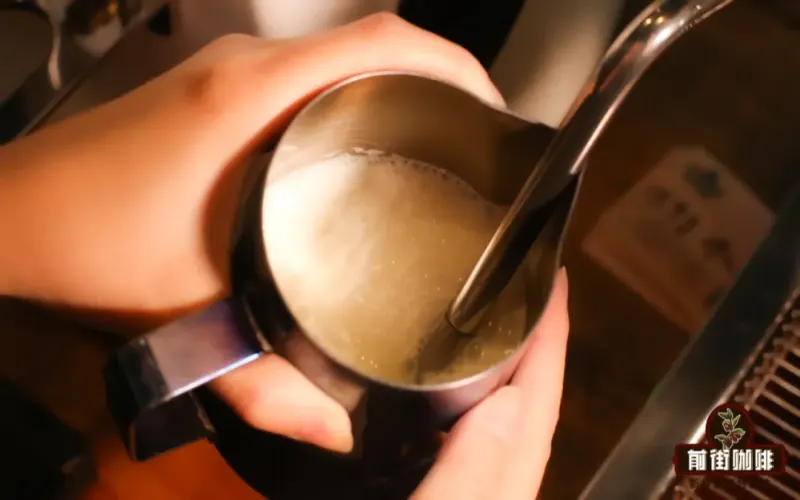
How to practice latte art from zero basics? Latte art techniques and common issues explained
To learn latte art from scratch, repeated practice alone isn't enough—identifying the reasons behind your failures is key. This article systematically breaks down the common latte art pitfalls for beginners, covering espresso and crema, the principles of milk frothing, pouring techniques, pitcher positioning, and tips for efficient practice. It also uses two coffee beans—Front Street Classic Blend and Front Street Commercial Blend—to explain how crema and milk foam together determine the final pattern, and provides a progressive practice path that goes from fresh milk to water and back to milk, helping coffee enthusiasts avoid unnecessary detours. [more…]
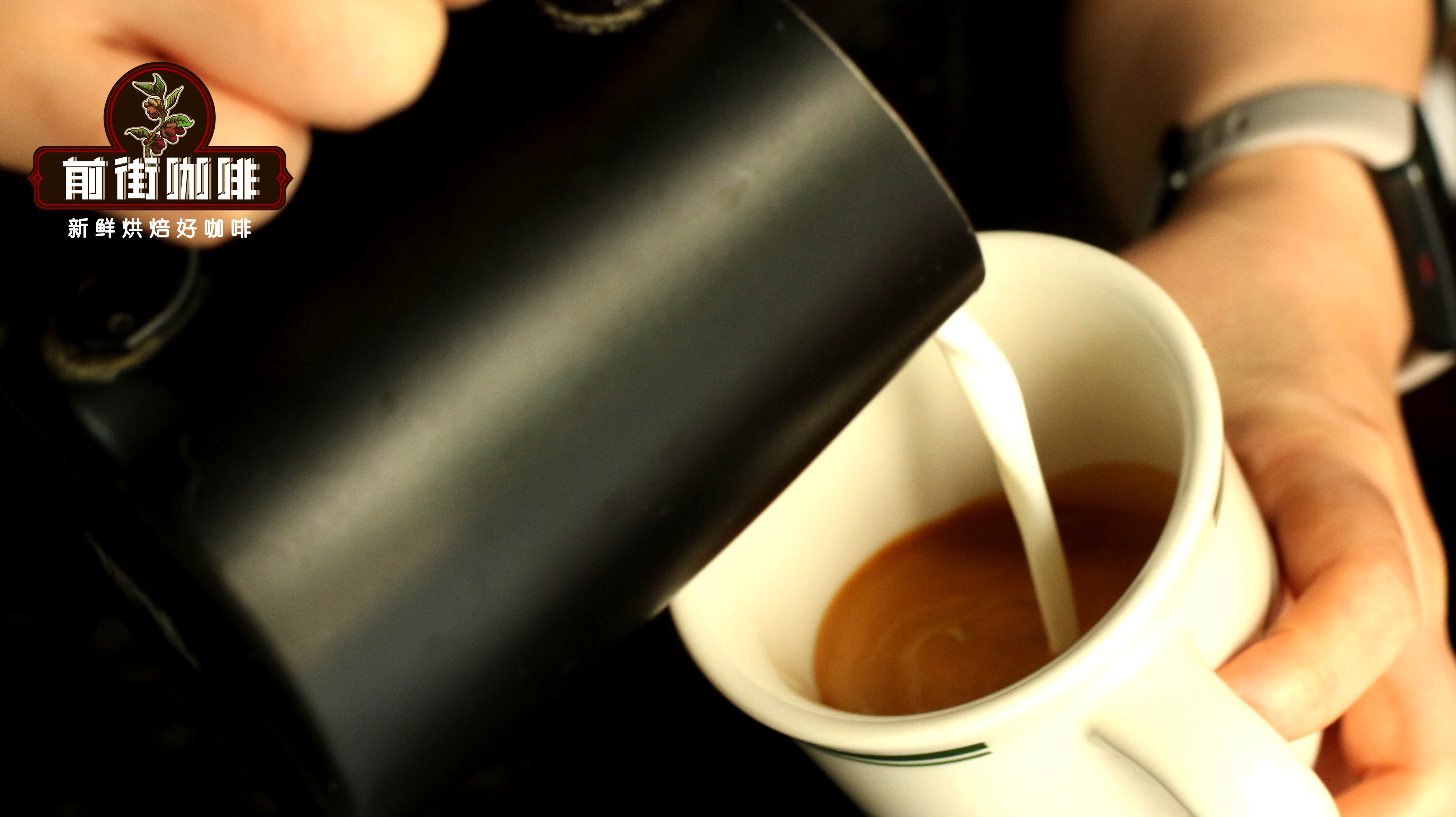
How to Choose Espresso Beans for Latte Art? A Complete Guide to the Advantages of Dark Roast Beans, Front Street Coffee Blend Recommendations, and Milk Frothing Techniques
Want to pour beautiful latte art? Choosing the right coffee beans is only the first step. Different espresso blends influence the flavor direction of the coffee base, while the oil content and roast level are the real keys to determining how easy it is to work with when pouring latte art. This article starts with the selection criteria for latte art beans, then discusses the advantages of medium-dark roasted espresso blends in terms of crema and aroma, and recommends several products: Front Street Black Cocoa, Grana Geisha SOE, Classic Blend, and Commercial Blend. After that, it breaks down the two stages of steaming milk—aeration and texturing—explains clearly why the pouring technique matters, and finally provides an efficient practice path from fresh milk to water and then to real-world application, helping you avoid detours. [more…]
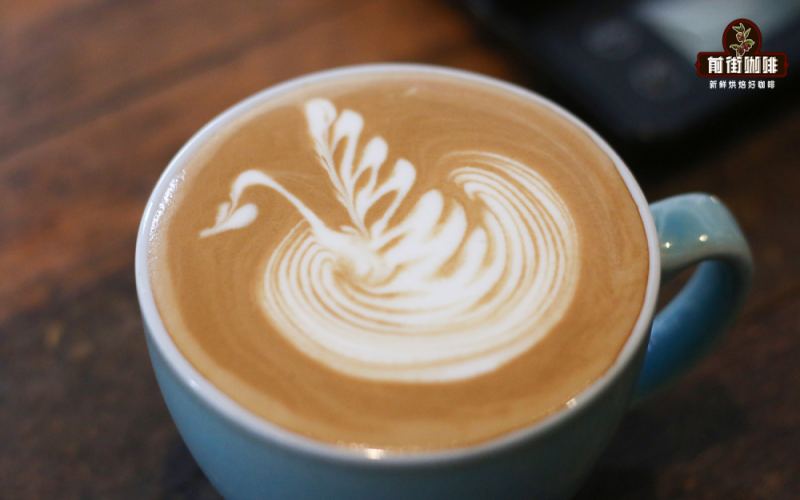
How to Make a Delicious Latte? A Complete Breakdown from Ingredient Selection and Milk-to-Coffee Ratio to Blending Technique
A latte may seem simple, but it is the drink that best tests the skill of pairing coffee beans with milk. Why does a latte taste different at every shop? The key often lies in three areas: the quality of the ingredients, the ratio of coffee to milk, and the operational details of extraction and integration. Drawing on Front Street's practical experience, this article first discusses how to choose an espresso blend and fresh milk suitable for making lattes, then explains the approximate range of the coffee-to-milk ratio, and finally breaks down step by step the key points of espresso extraction, milk frothing, and pouring techniques to help you make a latte with balanced flavor and a velvety mouthfeel. [more…]
Key Points for Making Latte Coffee: A Complete Guide from Bean and Milk Selection to Pouring Technique
A latte may seem simple, but making a satisfying cup involves three key aspects: material selection, ratio pairing, and technique. Drawing on the practical experience of Front Street Coffee, this article breaks down in detail the logic for choosing coffee beans and milk, the reasonable ratio of espresso to steamed milk, and practical tips for pouring and integrating, helping coffee lovers consistently recreate a well-balanced latte at home. [more…]

Deconstructing 2021 WBrC Champion Matt's Blend Bean Pour-Over Recipe: Building Layered Sweetness with Stepped Temperature Control and Five-Pour Technique
At the 2021 WBrC World Coffee Brewing Championship, champion Matt won with a blend rather than Geisha, sparking widespread attention. His recipe consisted of 60% naturally processed Eugenioides and 40% washed Catuai; the former provides extremely high sweetness, while the latter brings clear acidity. In brewing, he used a metal V60 dripper, a 1:15 coffee-to-water ratio, five-pour pouring, and innovatively controlled the water temperature in two stages: 93°C and 88°C. Through video analysis, Front Street Coffee found that his pouring ratio closely resembles Tetsu Kasuya's 4:6 brewing method. This article provides a complete analysis of this competition regimen, which balances sweetness and complexity and offers extremely high compatibility, for coffee enthusiasts to reference and learn from. [more…]
Latte Coffee Brewing Guide: Coffee Bean to Milk Ratios, Steaming Techniques, and Latte Art Integration Key Points
A latte may look simple, but every shop's version tastes different. The key lies in the quality of the coffee beans and milk, the ratio between them, and the details of extraction and integration. This article starts with coffee bean selection, introduces the flavor profiles of several of Front Street's espresso blends, analyzes the principles of choosing milk, and gives a reference ratio of 1:5 to 1:8. It also explains espresso extraction parameters, milk frothing temperature and thickness, and three key points of integration technique, helping coffee lovers make a balanced, beautifully latte-art-topped latte at home. [more…]

Italian-Style Blend Bean Recipe Ideas and the Complete Latte-Making Process: From Bean Selection to Milk Frothing Techniques
Why can an unsweetened latte still taste sweet? What secrets are hidden in Front Street's espresso blend beans? Starting from the formulation logic of espresso blends, this article will break down the flavor characteristics of Front Street Classic Blend and Strawberry Candy Espresso one by one, and explain in detail the trade-offs between pre-roast blending and post-roast blending, how to determine blending ratios, as well as the milk frothing temperature, frothing technique, and coffee-to-milk ratio for lattes. Whether you are a complete beginner or someone who wants to recreate a latte with a wine-scented finish at home, you can find actionable answers in this process. [more…]

Latte Art Beginner Tutorial: Detailed Guide to Milk Foam Requirements, Pouring Techniques, and Step-by-Step Instructions for the White Heart Pattern
Latte art is one of the techniques that many coffee enthusiasts are most eager to master after stepping into the world of espresso. Common patterns include the solid white heart, multi-layered heart, swan, tulip, and rosetta, among which the solid white heart is regarded as the most basic yet most skill-testing design. Based on the latte art teaching experience of Front Street Coffee, this article systematically explains the two major prerequisites for making a solid white heart—a qualified espresso and milk foam suitable for pouring—and breaks down in detail the key steps such as the amount of milk used for incorporation, the pouring point for forming the pattern, and the injection technique. It also introduces how espresso beans such as Front Street Classic Blend perform in latte art practice, helping beginners stably produce espresso with golden crema at home and laying a solid foundation for subsequent latte art. [more…]

A Beginner's Guide to Latte Art: Key Techniques from Milk-Coffee Integration to Pattern Formation
Many coffee enthusiasts encounter the same confusion when practicing latte art: the milk foam is perfectly fine and the espresso crema is passable, yet once they get to the pouring stage, everything falls apart. The problem often lies in a step that seems simple but is easily overlooked—the integration of milk and coffee. Whether the integration is even not only directly determines whether the latte art pattern can be successfully presented, but also profoundly affects the mouthfeel and layers of the entire latte. This article will break down, one by one, the core points needed to make a beautiful and delicious latte—from the state of the espresso crema, the thickness and fineness of the milk foam, to the direction, height, flow rate, volume, and circling size in the integration technique—and will include espresso bean recommendations from Front Street Classic Blend and Front Street Commercial Blend to help beginners consistently produce lattes with a beautiful golden ring at home. [more…]
Why Does Latte Milk Foam Disappear Quickly? A Comprehensive Analysis from Coffee Crema and Milk Foaming to Pouring Techniques
Just finished pouring latte art, and within two minutes the milk foam breaks down into big bubbles? Many friends who make milk coffee have encountered this frustration. Why does a latte with fine, silky milk foam disintegrate so quickly? In fact, the cause may lie in three areas: the freshness of the coffee beans, the quality of the milk frothing, and the pouring technique. This article will analyze the causes of rapid milk foam breakdown one by one—from the stability of coffee crema, the fineness of milk foam and temperature control, to the technique of combining coffee and milk—and offer practical ways to avoid it. It also recommends Front Street Classic Blend and Front Street Dark Cocoa Base Blend, which are ideal for latte art, helping you easily extract fine crema and make your latte art patterns more durable and stable. [more…]
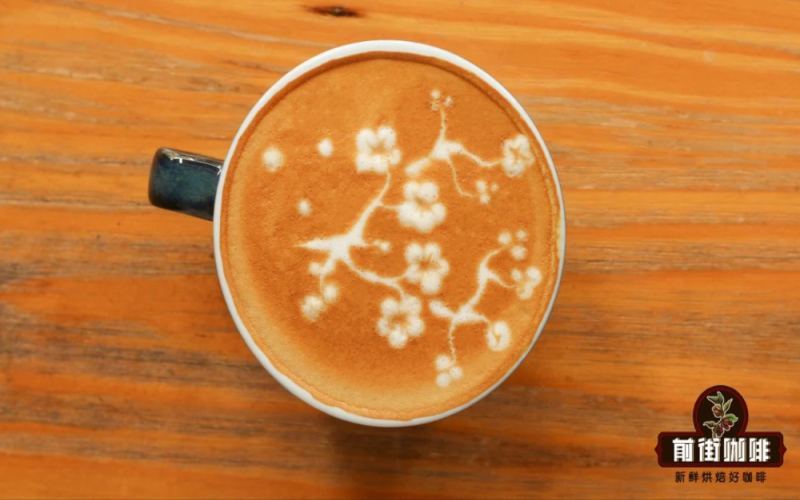
Coffee Latte Art Tutorial: Pouring Point and Swirling Techniques for Tulip and Leaf Patterns, and a Learning Path
Latte art is a visual art created by the collision of milk and espresso, mainly divided into two forms: free pouring and etching, where free pouring tests technique and etching tests creativity. This article systematically outlines the five steps to learning milk latte art, from choosing equipment and extracting espresso to steaming milk foam, and then to flow control and pattern practice, gradually guiding you through the basics. It focuses on explaining the injection point selection, flow control, and swinging rhythm for two basic patterns—the tulip and the leaf—and recommends using Front Street Coffee's specialty blend to make espresso, allowing the nutty caramel flavor to better blend with the milk's sweetness. Whether you are a coffee enthusiast just starting out or a barista looking to refine your skills, you can find practical practice methods here. [more…]

How to make espresso blend beans? Roasting techniques for raw blending and post-roast blending, plus four recommended medium-roast espresso beans
A balanced espresso requires acidity, body, and sweetness in equal measure, and it all starts with choosing the right coffee beans. Single-origin beans are certainly appealing in pour-over, but when used for espresso they often lack complexity, which is why blending beans from different origins is common practice. This article focuses on espresso blends, first explaining what blended beans are and their characteristics, then taking a deeper look at the pros and cons of the two roasting approaches—"blending raw beans" versus "blending roasted beans"—and the scenarios each suits, and finally sharing four medium-roast espresso blends that Front Street Coffee has launched based on practical needs, including Sunflower Warm Sun, Specialty Blend, Commercial Blend, and Dark Cocoa Blend, introducing each one's recipe ratios, blending method, and flavor performance, for the reference of coffee enthusiasts and coffee shops. [more…]
Where Does the Bitterness in a Latte Come From? Analyzing the Key Effects of Milk-to-Coffee Ratio, Milk Foam Temperature, and Pouring Technique
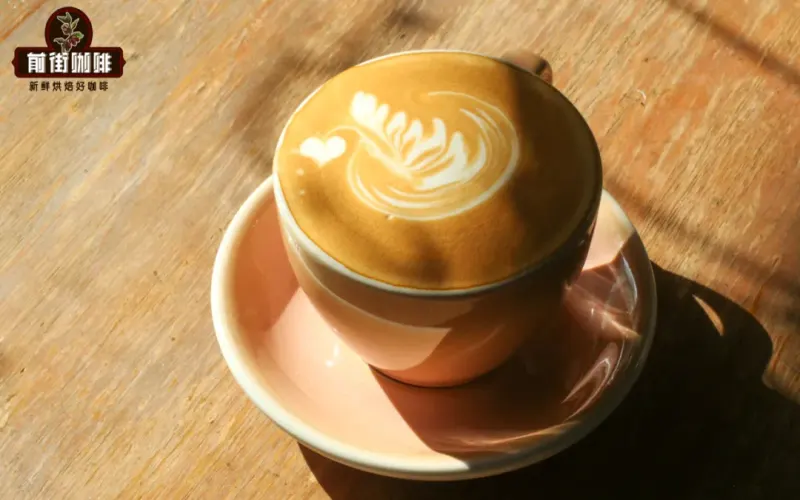
Latte has always been considered the least bitter of espresso drinks, as the addition of a large amount of milk makes the overall flavor softer. But when you drink a latte with obvious bitterness, the problem may not lie in the espresso itself. This article starts with the choice of coffee bean roast level and gradually analyzes how the blending technique, milk frothing temperature, and the ratio of coffee to milk affect the final taste. It also introduces pairing suggestions for the Front Street Coffee espresso bean series, including the flavor characteristics of Strawberry Candy espresso, and provides a milk foam temperature range of 55°C to 69°C and a reference ratio of 1:5, helping you make a balanced and smooth latte at home. [more…]

Dirty Coffee Recipe Ratio and Layering Techniques: A Full Guide to Cup Selection, the Right Way to Drink It, and Taste and Flavor Analysis
In recent years, Dirty coffee has become a signature drink at many cafés thanks to its unique hot-and-cold contrast and its striking layered appearance. Its top layer is warm espresso and its bottom layer is iced milk; there is no need to stir, and only by taking a big sip can you experience the distinct changes in flavor between layers. Starting from the origin and definition of Dirty, this article will explain in detail the mixing ratio, the key techniques for layering, the key points for choosing a cup, the correct way to drink it, and how to describe its taste, and will also explain how long it can be stored. At the same time, by combining the characteristics of three espresso coffee beans—Front Street Classic Blend, Specialty Blend, and Black Cocoa Base Blend—it will help you make a cup of Dirty that is excellent in color, aroma, and taste. [more…]
A Beginner's Guide to Latte Art: Key Points for Making Beautiful Patterns, from Pouring Technique to Milk Foam Control
Many friends who are just getting into latte art run into the same confusion: the milk foam is clearly fine enough, and the espresso crema looks fine too, yet the moment they start pouring latte art, it keeps going wrong. In fact, the problem often lies in an easily overlooked step—the incorporation of milk and coffee. Whether the incorporation is even not only directly determines whether the latte art pattern can form smoothly, but also affects the layering of flavor in the whole latte when you take a sip. This article will break down, one by one, the key details for making a beautiful latte from multiple dimensions, including the state of the espresso crema, the thickness and fineness of the milk foam, and the direction, height, flow rate, and circle diameter in the incorporation technique. It also recommends two espresso beans suitable for beginners to practice with, Front Street Classic Blend and Front Street Commercial Blend, to help you consistently produce latte coffee with golden crema at home. [more…]
Practical Guide to Heart-Shaped Latte Art: A Complete Tutorial from Bean Selection to Finishing Techniques
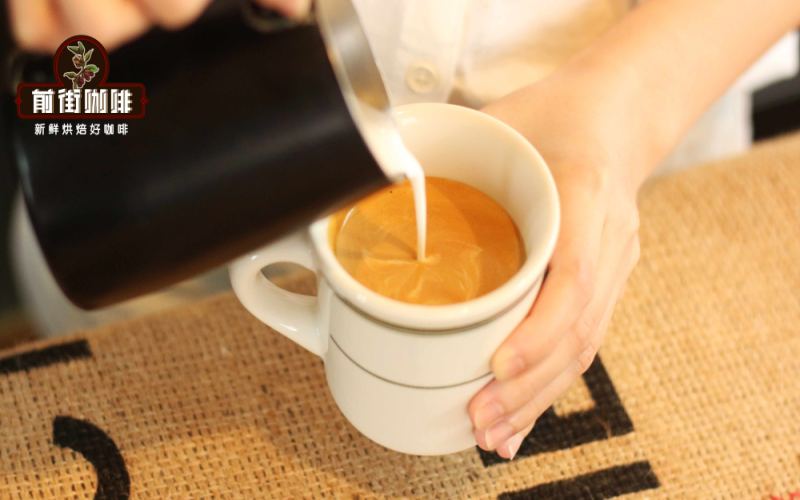
Many people see heart-shaped latte art in coffee shops and think it looks easy to do, but once they actually try it, they discover there is quite a bit of technique involved. To make beautiful latte art, at least three prerequisites must be met: freshly roasted espresso beans, fresh milk kept refrigerated at low temperature, and an espresso machine with a pressure-boosting function. This article starts with the selection of Front Street Coffee beans and breaks down the entire process of heart-shaped latte art in detail, including extraction parameters, milk frothing methods, control of the amount used for incorporation, selection of the pour point, and common mistakes made during the finishing stage, helping coffee enthusiasts and novice baristas master the technique of consistently producing latte art step by step. [more…]
Starbucks Flat White vs. Australian White Coffee Brewing Guide: Espresso Bean Selection and Extraction Techniques Explained
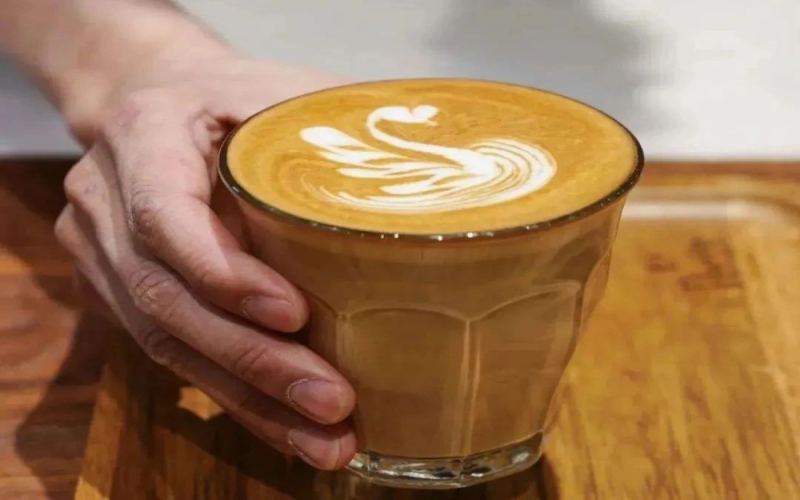
In 2015, Starbucks introduced the classic Australian Flat White to its menu under the name "Fu Rui Bai," and this coffee quickly became a hit in China. What's the difference between a Flat White and a latte? Why is it only served hot? The key to making an authentic Flat White lies in the pairing of the espresso base with light, thin milk foam. This article will start with the historical origins of the Flat White, then gradually break down Front Street Coffee's extraction parameters and milk frothing techniques, and recommend four espresso blends suitable for making Flat Whites, including the gently styled Warm Sun Blend and three nutty-toned blends, to help you recreate a rich, velvety Flat White at home. [more…]
How to Choose Espresso Beans? A Full Breakdown of Blending Techniques, Roast Levels, and SOE Single-Origin Beans
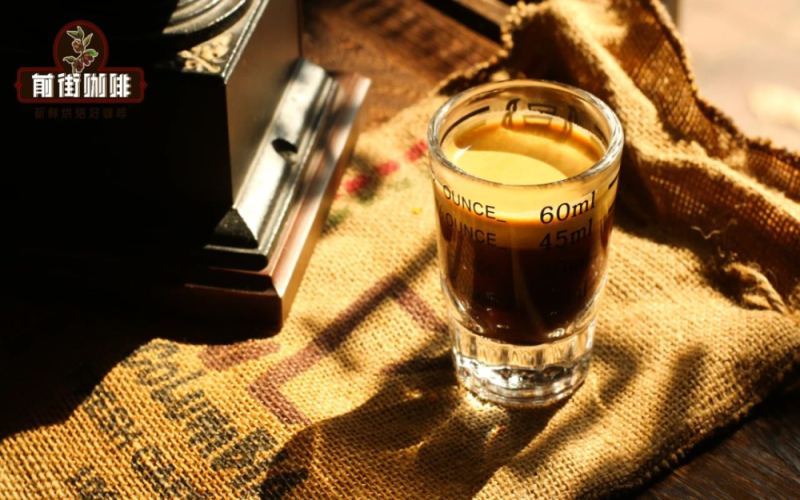
When buying coffee beans, have you ever noticed that "espresso beans" are always listed as a separate category? This is closely tied to its unique brewing method. Espresso requires rapid extraction under 9 bars of pressure, which places special demands on the roast level and blend composition of the coffee beans. Starting from the principles of extraction, this article will explain why espresso beans are mostly medium-dark roasted, why blended beans need a distinction between primary and secondary components, and introduce the flavor characteristics of several Front Street Coffee espresso blends and SOE single-origin beans, helping you find the one that best suits your taste. [more…]
A Complete Analysis of Espresso Flavor Characteristics, Front Street Coffee's Blending Approach, and Extraction Techniques
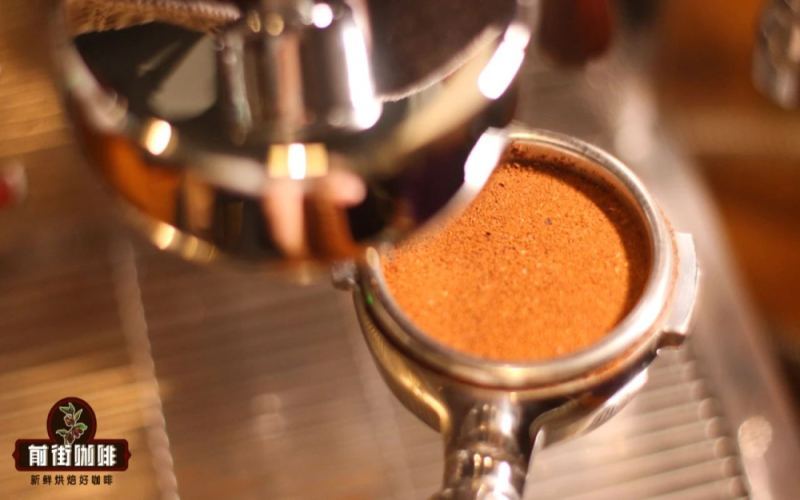
As the core of café offerings, espresso's flavor expression and extraction technique have always been the focus of baristas' attention. From the perspective of Front Street Coffee, this article systematically sorts out the definition of espresso and the principles behind crema formation, analyzes the pairing logic and roasting emphasis of espresso blends, and breaks down in detail the six operational steps from cleaning the portafilter basket, grinding and dosing, distribution and tamping, to completing the extraction. It also highlights two key details—even distribution and parameter recording—to help coffee enthusiasts make a qualified espresso more consistently. [more…]
Latte Art Milk Foam Steaming Time and Texture Analysis: Pitcher Angle, Swirl Technique, and Espresso Pairing Recommendations
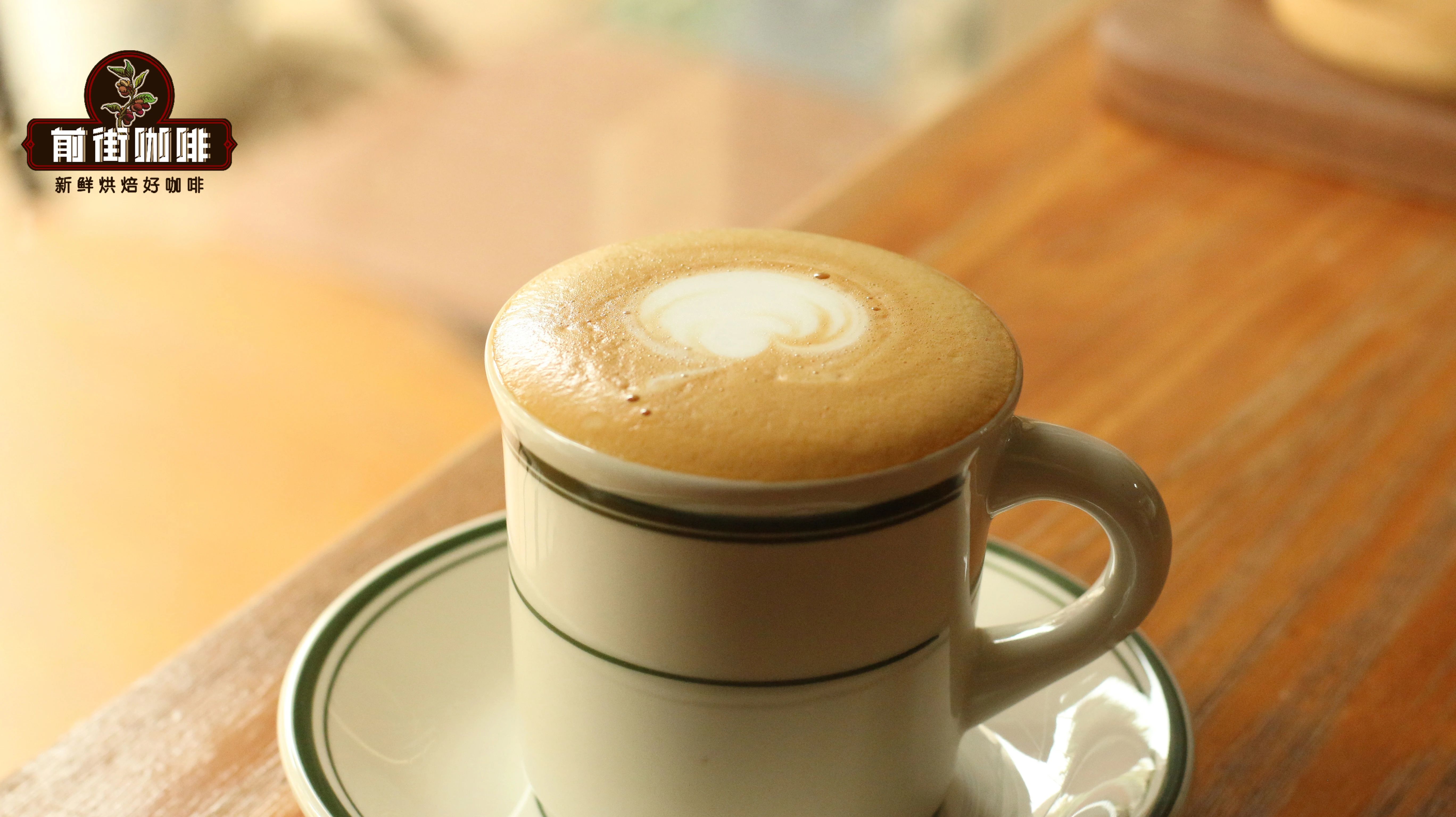
To create beautiful latte art, both the quality of the steamed milk foam and the quality of the espresso are indispensable. This article focuses on the most common problems beginners encounter when steaming milk, explaining in detail the insertion depth of the steam wand, the principles of aeration and texturing, how to create a vortex by controlling angle and position, and the advanced technique of aeration and texturing simultaneously. At the same time, Front Street also recommends classic blends and dark cocoa blends suitable for beginners and for café use, helping you easily extract espresso with golden crema at home and laying a solid foundation for latte art. [more…]